CKYC Automation

AI-Powered CKYC Solution for Regulated Entities in India

Automate CKYC workflows and cut operational time by 95% - from 7 days to just a few hours - while ensuring 100% RBI compliance with AIFISE’s AI-first platform.


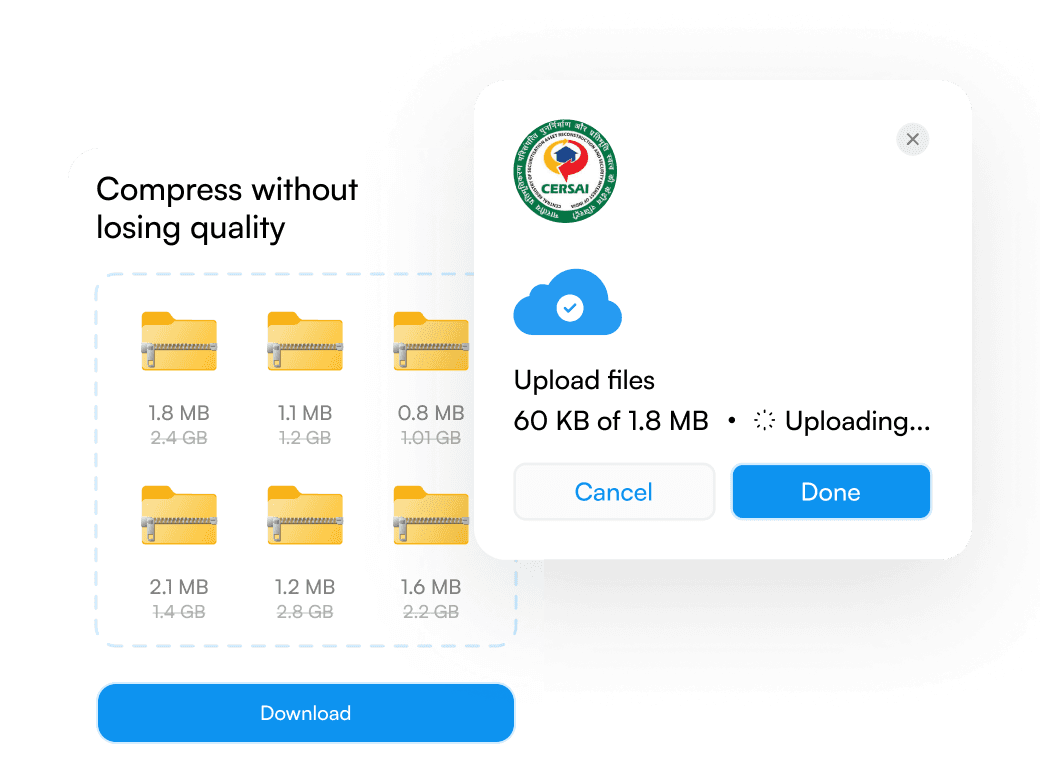
Automated Bulk KYC Upload and Download

AIFISE enables automated bulk upload and download of CKYC files using a secure Straight Through Processing (STP) workflow. The platform connects directly with your customer data repository, validates each record, and converts it into the compliant format required by CERSAI for bulk submissions. This reduces manual effort and improves operational accuracy at scale.

End to End CKYCR API Integration

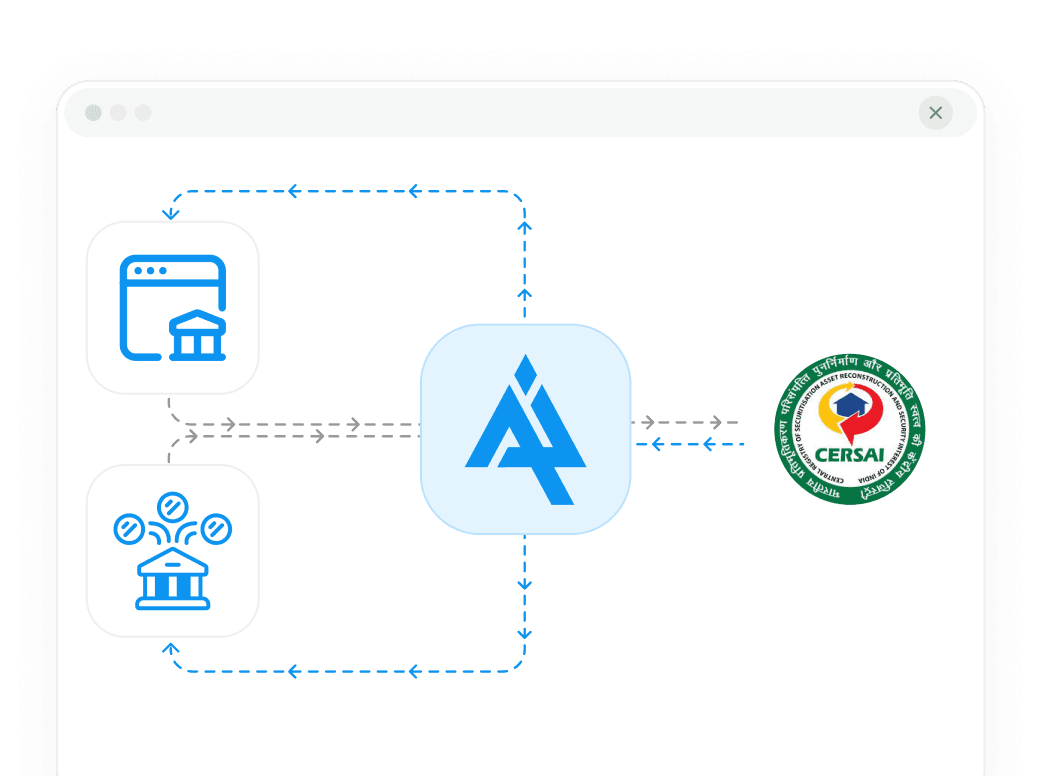
Our CKYCR integration engine is fully aligned with central registry guidelines. AIFISE connects your core banking or lending system with CERSAI for real time search, retrieval, and verification of customer KYC information. Institutions can instantly check CKYC availability and fetch verified customer profiles without manual intervention.
Intelligent API Based Search & Download Solutions

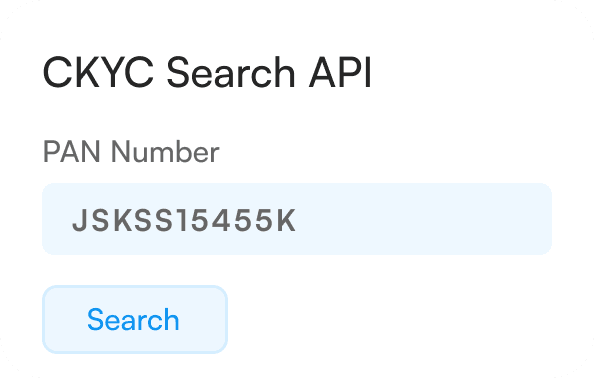
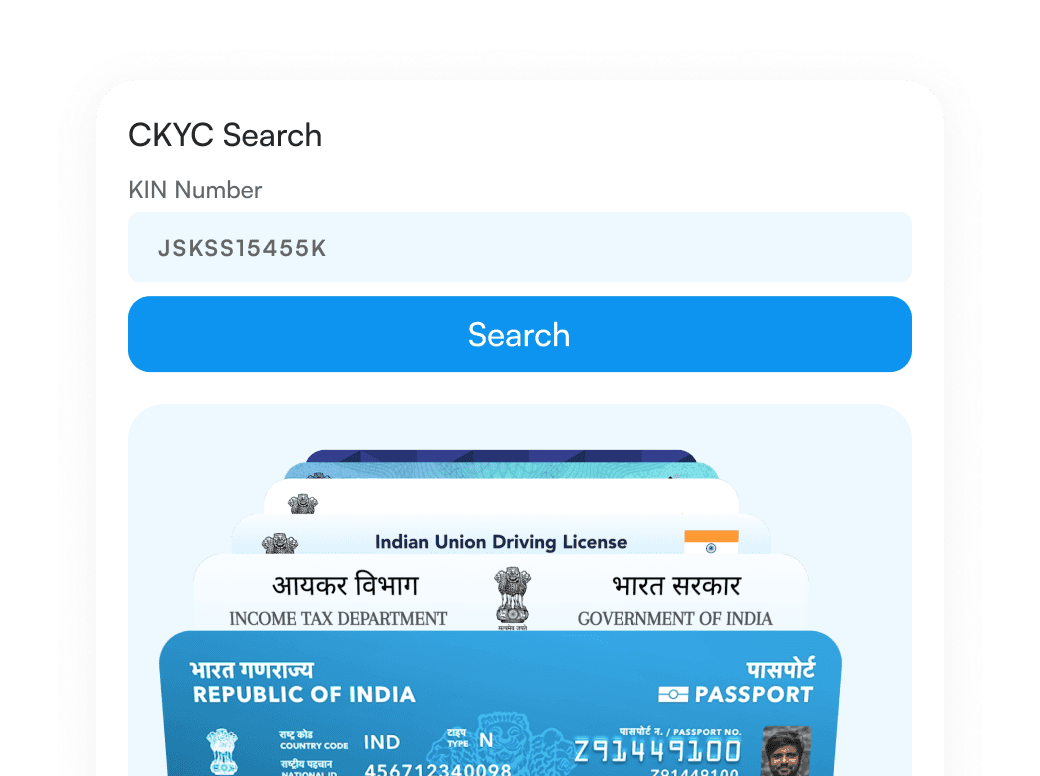
AIFISE supports secure IP whitelisting for both financial institutions and CERSAI. With an intelligent API look up mechanism, you can quickly verify if a customer’s CKYC number exists in the registry. The system also handles API based requests from partner institutions and auto generates structured customer responses for compliant information exchange.

Smart KYC Record Management

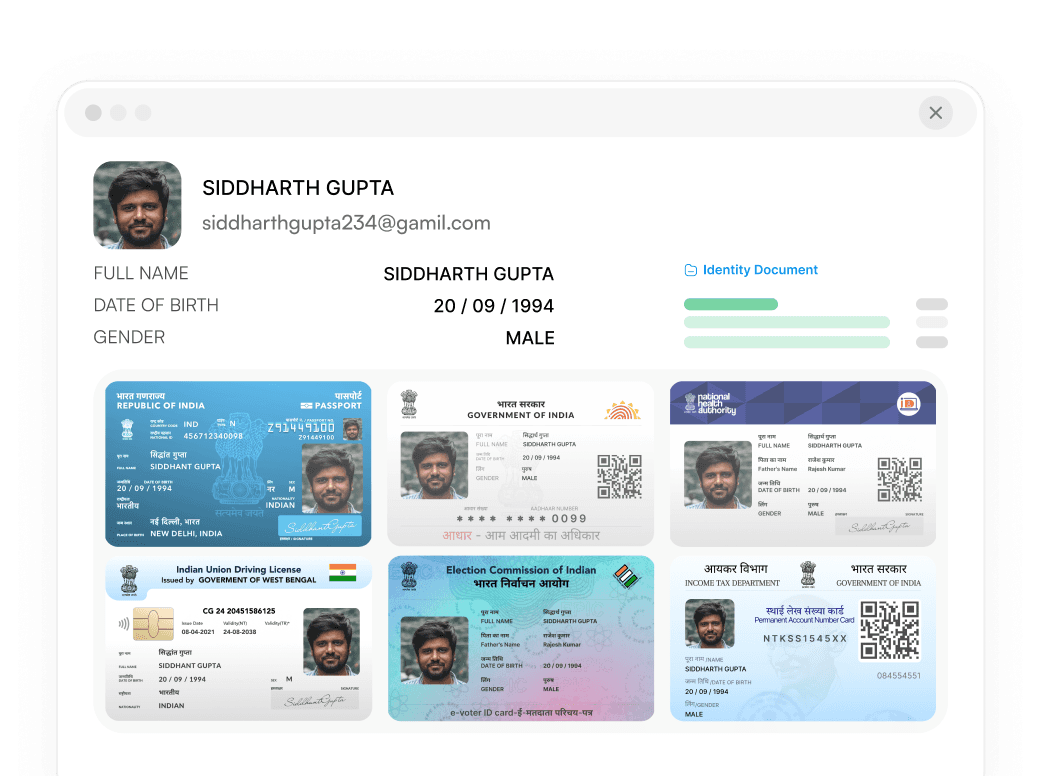
AIFISE provides an integrated Data Management System that stores and retrieves customer KYC history with complete traceability. The platform captures files through automated SFTP and intelligently identifies multiple OVDs belonging to the same customer based on parameters like date of birth, PAN, Aadhaar, driving license, and voter ID. This helps institutions maintain a clean and compliant CKYC repository.
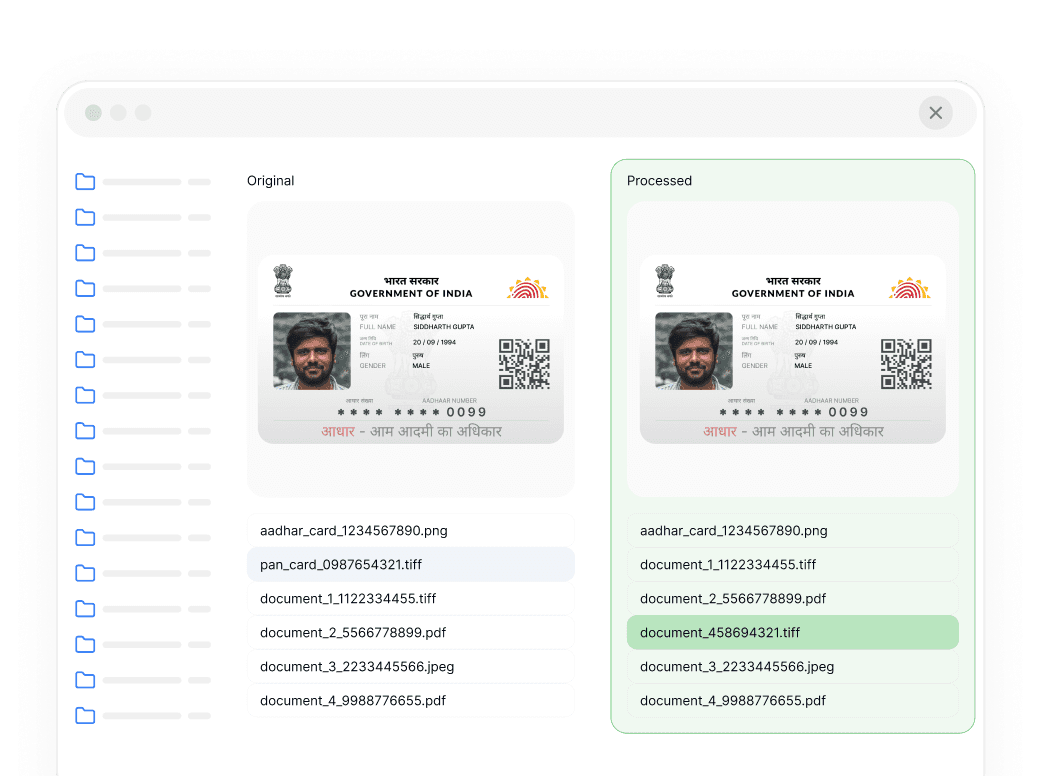
Automated Checker and Maker Controls

Built in Checker and Maker controls ensure clean onboarding flows. AIFISE automatically validates records, detects duplicates, and helps institutions maintain high data integrity throughout the customer lifecycle.

Real Time Analytics and Insights

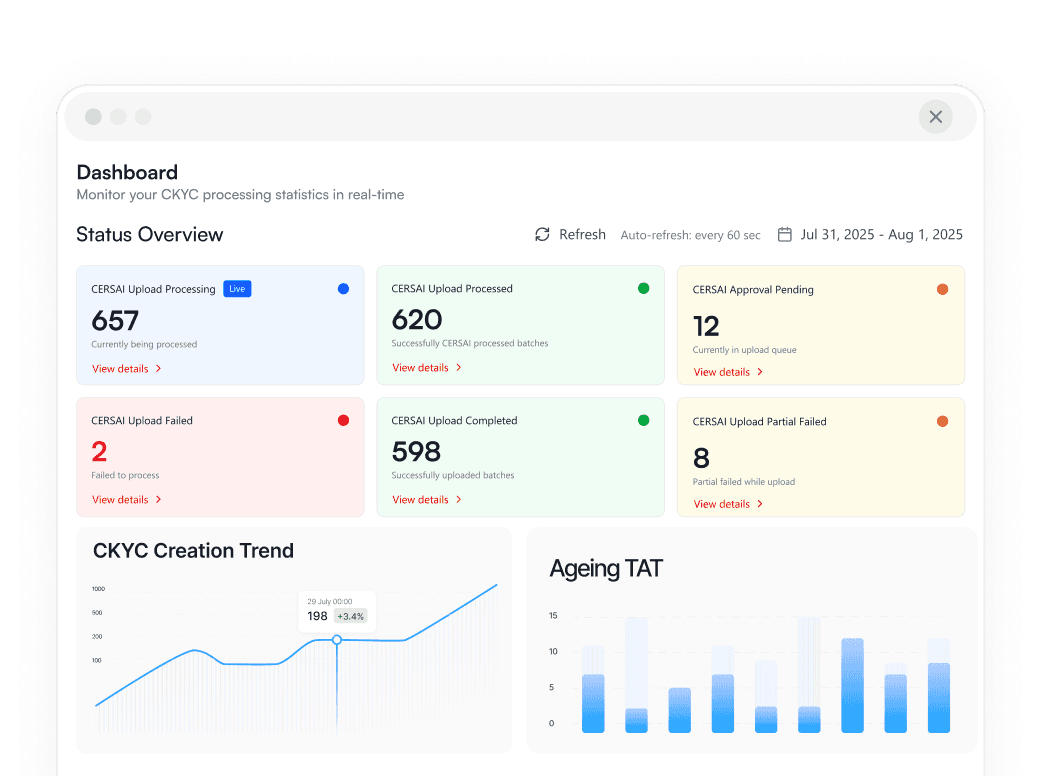
AIFISE includes a real time MIS Dashboard that gives complete visibility into CKYCR activities. Track accounts opened, uploaded, approved, and rejected in real time. View branch and region wise performance. Identify probable matches, monitor notifications, and understand customer onboarding patterns with actionable insights.
Why CKYC, Why Now? 

RBI’s KYC Master Direction (2025) 

Mandates that all Regulated Entities (REs) periodically upload and maintain updated customer data with CKYCR.

Paragraph 56(h) of RBI’s Master Direction requires proactive updates; 56(j) restricts fresh KYC requests unless CKYCR is exhausted. 
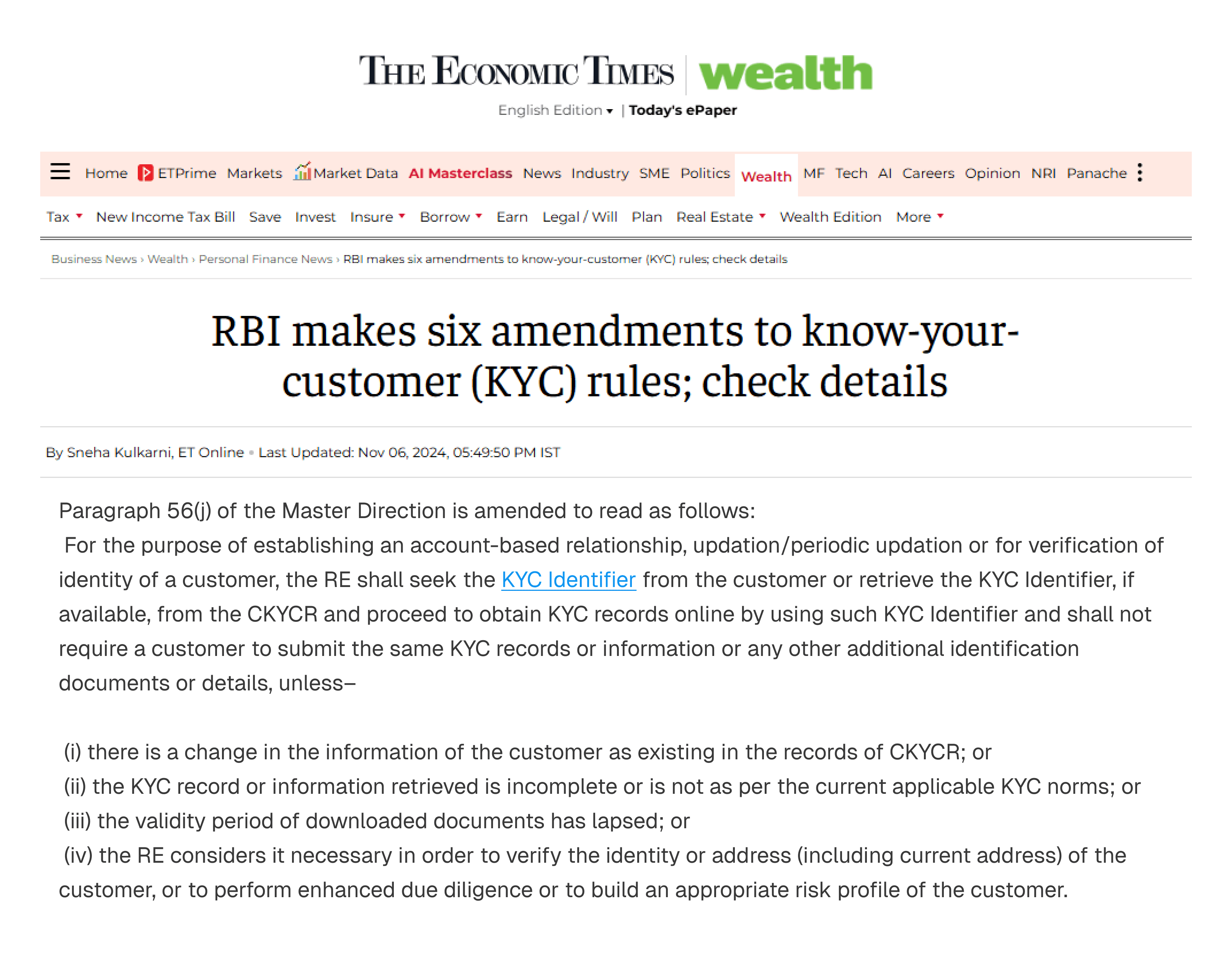
REs that adapt now will minimize risk, stay compliant, and improve customer experience across the board. 
Feature Image
Feature Image
Feature Image

Moving forward, together with industry leaders

Moving forward, together with industry leaders

Top decision-makers are choosing solutions that move them forward.

  • “What took 7 days now takes less than few hours.”

    Our drop-off rate fell from 25% to under 3%. Customers love the speed, and compliance officers finally sleep better.

    User Image

    VP, Operations

    Leading NBFC
  • “RBI’s Paragraph 56 forced us to rethink KYC. AIFISE helped us act, not react.”

    User Image

    Chief Compliance Officer

    Fintech Lender
  • “What took 7 days now takes less than few hours.”

    Our drop-off rate fell from 25% to under 3%. Customers love the speed, and compliance officers finally sleep better.

    User Image

    VP, Operations

    Leading NBFC
  • “RBI’s Paragraph 56 forced us to rethink KYC. AIFISE helped us act, not react.”

    User Image

    Chief Compliance Officer

    Fintech Lender
  • “What took 7 days now takes less than few hours.”

    Our drop-off rate fell from 25% to under 3%. Customers love the speed, and compliance officers finally sleep better.

    User Image

    VP, Operations

    Leading NBFC
  • “RBI’s Paragraph 56 forced us to rethink KYC. AIFISE helped us act, not react.”

    User Image

    Chief Compliance Officer

    Fintech Lender

AIFISE Advantage: Built for Speed, Compliance & Scale

AI Workflow Orchestration

Automates KYC steps end-to-end using ML, NLP & computer vision

Real-Time CKYCR Integration

Fully compliant with Paragraph 56 mandates, with live updates

Document Intelligence

Supports PAN, Aadhaar, Passport, Utility Bills, Bank Statements (or any other document included in your process)

Risk-Based Decisioning

Built-in predictive analytics to assess fraud or compliance risk

Multi-Language OCR & NLP

Supports Indian regional languages and diverse document types

Audit & Traceability

Granular audit logs, compliance exports, CKYCR reconciliation

Measurable Impact, Proven at Scale

From manual to intelligent: A transformation journey led by AIFISE.

Before AIFISE

Avg. CKYC Processing Time:
7 Days

Avg. CKYC Processing Time:
7 Days

Avg. CKYC Processing Time: 7 Days

Manual Staff: 45 FTE

Manual Staff: 45 FTE

Customer Drop-off: 25%

Customer Drop-off: 25%

Error Rate: 8%

Error Rate: 8%

Compliance Risk

Compliance Risk

₹15 Crores in revenue loss

₹15 Crores in revenue loss

After AIFISE Implementation

Under few hours

Under few hours

3 FTE (93% cost reduction)

3 FTE (93% cost reduction)

Less Then 2%

Less Then 2%

0% Manual Errors

0% Manual Errors

100% RBI Alignment

100% RBI Alignment

Fully captured via faster onboarding 

Fully captured via faster onboarding 

How It Works

Document Upload (Bulk)

Business upload KYC docs online via app/web/partner channel

AI-Powered Analysis

Computer vision & OCR extract and verify key fields from any file format ranging from images to PDFs to...

Data Validation

System cross-checks with internal DBs & 3rd-party APIs

Compliance Review

Even the slightest discrepancy is flagged for human review

CKYCR Sync

Validated data is auto-uploaded to CKYCR in real time

Audit Logging

Full trace of who approved what, when, and how

Document Upload (Bulk)

Business upload KYC docs online via app/web/partner channel

AI-Powered Analysis

Computer vision & OCR extract and verify key fields from any file format ranging from images to PDFs to...

Data Validation

System cross-checks with internal DBs & 3rd-party APIs

Compliance Review

Even the slightest discrepancy is flagged for human review

CKYCR Sync

Validated data is auto-uploaded to CKYCR in real time

Audit Logging

Full trace of who approved what, when, and how

Document Upload (Bulk)

Business upload KYC docs online via app/web/partner channel

AI-Powered Analysis

Computer vision & OCR extract and verify key fields from any file format ranging from images to PDFs to...

Data Validation

System cross-checks with internal DBs & 3rd-party APIs

Compliance Review

Even the slightest discrepancy is flagged for human review

CKYCR Sync

Validated data is auto-uploaded to CKYCR in real time

Audit Logging

Full trace of who approved what, when, and how

AIFISE vs Other CKYC Vendors

CKYC Processing Time
AI-Powered Workflow 
CKYCR API Integration 
Document Intelligence 
Risk Scoring Engine 
Multi-Language OCR 
Under Few Hours
Full Stack 
Real-time
NLP, CV, OCR
Predictive ML
Competitor 1
5–7 Days
Rules Only 
Real-time
Basic 
Competitor 2
6–7 Days
Rules Only 
Basic 
Basic 
Competitor 3
5–7 Days
Partial
Real-time
NLP, CV, OCR
Partial
CKYC Processing Time
AI-Powered Workflow 
CKYCR API Integration 
Document Intelligence 
Risk Scoring Engine 
Multi-Language OCR 
Under Few Hours
Full Stack 
Real-time
NLP, CV, OCR
Predictive ML
Competitor 1
5–7 Days
Rules Only 
Real-time
Basic 
Competitor 2
6–7 Days
Rules Only 
Basic 
Basic 
Competitor 3
5–7 Days
Partial
Real-time
NLP, CV, OCR
Partial

The Tech Behind It

Machine Learning

Machine Learning

Machine Learning

Learns from millions of KYC records to improve validation

Natural Language Processing (NLP)

Natural Language Processing (NLP)

Natural Language Processing (NLP)

Understands diverse document types & languages

Computer Vision

Computer Vision

Computer Vision

Detects fraud patterns & auto-classifies documents

Predictive Analytics

Predictive Analytics

Predictive Analytics

Flags high-risk customers for enhanced due diligence

Microservices Architecture

Microservices Architecture

Microservices Architecture

Plug-and-play into your existing onboarding stack

Military-grade Security

Military-grade Security

Military-grade Security

AES-256 encryption, RBAC, audit trails, CKYCR token auth

India’s #1 CKYC Automation Platform for Every Scale of Business

From early-stage startup NBFCs and digital lenders to mid-size institutions and large enterprises, AIFISE is built to support every growth stage.

India’s #1 CKYC Automation Platform for Every Scale of Business

From early-stage startup NBFCs and digital lenders to mid-size institutions and large enterprises, AIFISE is built to support every growth stage.

India’s #1 CKYC Automation Platform for Every Scale of Business

From early-stage startup NBFCs and digital lenders to mid-size institutions and large enterprises, AIFISE is built to support every growth stage.

Volume-Based,
Wallet-Friendly Pricing

Whether you process 10–100, 100–1,000, 1,000–10,000, or 10,000–100,000+ CKYC records, our platform scales instantly with your volume - no infrastructure, no overhead. Just plug, onboard, and grow.

Designed to Fit Your Scale,
Built to Power Your Future

AIFISE is India’s most advanced CKYC automation engine - trusted for high accuracy, RBI-aligned compliance, real-time CKYCR sync, and enterprise-grade security.


You get AI-powered automation, industry-leading turnaround times, and pricing built for every business size.

You get AI-powered automation, industry-leading turnaround times, and pricing built for every business size.

  • Startup NBFCs & Fintech Lenders
  • Startup NBFCs & Fintech Lenders
  • Startup NBFCs & Fintech Lenders
  • Mid-Size Lending Institutions
  • Mid-Size Lending Institutions
  • Mid-Size Lending Institutions
  • Large Enterprises & Regulated Financial Entities
  • Large Enterprises & Regulated Financial Entities
  • Large Enterprises & Regulated Financial Entities
  • Any RE registered under RBI, SEBI, IRDAI, PFRDA
  • Any RE registered under RBI, SEBI, IRDAI, PFRDA
  • Any RE registered under RBI, SEBI, IRDAI, PFRDA

Designed for These Regulated Entities

Scheduled & Private Banks

Scheduled & Private Banks

Scheduled & Private Banks

NBFCs, HFCs, Fintechs

NBFCs, HFCs, Fintechs

NBFCs, HFCs, Fintechs

Stockbrokers, DPs, MFs, PMS

Stockbrokers, DPs, MFs, PMS

Stockbrokers, DPs, MFs, PMS

PPI/Wallet Providers, PSPs

PPI/Wallet Providers, PSPs

PPI/Wallet Providers, PSPs

Foreign Exchange Businesses

Foreign Exchange Businesses

Foreign Exchange Businesses

Insurance Companies

Insurance Companies

Insurance Companies

WealthTechs & Lending Platforms

WealthTechs & Lending Platforms

WealthTechs & Lending Platforms

Any RE registered with RBI, SEBI, IRDAI, PFRDA

Any RE registered with RBI, SEBI, IRDAI, PFRDA

Any RE registered with RBI, SEBI, IRDAI, PFRDA

Already trusted by industry leaders

FAQ

FAQ

FAQ

Here are the answers to your questions

Here are the answers to your questions

After reading this section, if you still has questions,
feel free to contact us however you want.

What is CKYC?

CKYC refers to the Central KYC Registry created to streamline customer verification across financial services. It stores verified KYC records in a centralized digital repository. Once a customer submits their documents and the record is approved, a unique 14 digit CKYC number is generated. This number can be used for future financial transactions without submitting documents again.

What is CKYC?

CKYC refers to the Central KYC Registry created to streamline customer verification across financial services. It stores verified KYC records in a centralized digital repository. Once a customer submits their documents and the record is approved, a unique 14 digit CKYC number is generated. This number can be used for future financial transactions without submitting documents again.

What is CKYC?

CKYC refers to the Central KYC Registry created to streamline customer verification across financial services. It stores verified KYC records in a centralized digital repository. Once a customer submits their documents and the record is approved, a unique 14 digit CKYC number is generated. This number can be used for future financial transactions without submitting documents again.

Why is CKYC important for customers?

A verified CKYC record helps customers avoid repeating the KYC process with every new financial product. With the CKYC number, customers can open bank accounts, invest in mutual funds, buy insurance, or start digital onboarding journeys without resubmitting identity and address proofs unless information changes.

Why is CKYC important for customers?

A verified CKYC record helps customers avoid repeating the KYC process with every new financial product. With the CKYC number, customers can open bank accounts, invest in mutual funds, buy insurance, or start digital onboarding journeys without resubmitting identity and address proofs unless information changes.

Why is CKYC important for customers?

A verified CKYC record helps customers avoid repeating the KYC process with every new financial product. With the CKYC number, customers can open bank accounts, invest in mutual funds, buy insurance, or start digital onboarding journeys without resubmitting identity and address proofs unless information changes.

Who can register customers for CKYC?

Only regulated financial institutions can upload customer KYC data to CKYC. This includes entities under RBI, SEBI, IRDAI, and PFRDA. Banks, NBFCs, insurance companies, brokerages, and mutual fund houses complete CKYC registration when a customer purchases or opens a financial product.

Who can register customers for CKYC?

Only regulated financial institutions can upload customer KYC data to CKYC. This includes entities under RBI, SEBI, IRDAI, and PFRDA. Banks, NBFCs, insurance companies, brokerages, and mutual fund houses complete CKYC registration when a customer purchases or opens a financial product.

Who can register customers for CKYC?

Only regulated financial institutions can upload customer KYC data to CKYC. This includes entities under RBI, SEBI, IRDAI, and PFRDA. Banks, NBFCs, insurance companies, brokerages, and mutual fund houses complete CKYC registration when a customer purchases or opens a financial product.

How is CKYC completed?

When a customer signs up for a financial product, the financial institution collects the required documents and submits them to CERSAI for CKYC registration. Once approved, the customer receives a CKYC Identification Number that can be used across financial services.

How is CKYC completed?

When a customer signs up for a financial product, the financial institution collects the required documents and submits them to CERSAI for CKYC registration. Once approved, the customer receives a CKYC Identification Number that can be used across financial services.

How is CKYC completed?

When a customer signs up for a financial product, the financial institution collects the required documents and submits them to CERSAI for CKYC registration. Once approved, the customer receives a CKYC Identification Number that can be used across financial services.

What is CKYCR API Integration?

CKYCR API Integration connects an institution’s internal system with the Central KYC Registry. AIFISE provides a secure cloud based integration layer that allows institutions to send and receive CKYC requests in real time. This includes customer search, record download, validation, and data updates.

What is CKYCR API Integration?

CKYCR API Integration connects an institution’s internal system with the Central KYC Registry. AIFISE provides a secure cloud based integration layer that allows institutions to send and receive CKYC requests in real time. This includes customer search, record download, validation, and data updates.

What is CKYCR API Integration?

CKYCR API Integration connects an institution’s internal system with the Central KYC Registry. AIFISE provides a secure cloud based integration layer that allows institutions to send and receive CKYC requests in real time. This includes customer search, record download, validation, and data updates.

Which authority manages CKYC?

The Central Registry of Securitisation and Asset Reconstruction and Security Interest of India, known as CERSAI, operates the Central KYC Registry. It is responsible for receiving, storing, securing, and sharing digital KYC records with authorised financial institutions.

Which authority manages CKYC?

The Central Registry of Securitisation and Asset Reconstruction and Security Interest of India, known as CERSAI, operates the Central KYC Registry. It is responsible for receiving, storing, securing, and sharing digital KYC records with authorised financial institutions.

Which authority manages CKYC?

The Central Registry of Securitisation and Asset Reconstruction and Security Interest of India, known as CERSAI, operates the Central KYC Registry. It is responsible for receiving, storing, securing, and sharing digital KYC records with authorised financial institutions.

What documents are required for CKYC?

To complete CKYC, customers must provide a filled and signed CKYC form, a self attested identity proof, a self attested address proof, and a recent photograph. The exact documents accepted depend on regulatory guidelines and the type of financial product.

What documents are required for CKYC?

To complete CKYC, customers must provide a filled and signed CKYC form, a self attested identity proof, a self attested address proof, and a recent photograph. The exact documents accepted depend on regulatory guidelines and the type of financial product.

What documents are required for CKYC?

To complete CKYC, customers must provide a filled and signed CKYC form, a self attested identity proof, a self attested address proof, and a recent photograph. The exact documents accepted depend on regulatory guidelines and the type of financial product.

Is CKYC accessible in real time?

Yes. Financial institutions with CKYC API integration can search and download KYC records instantly. This supports faster onboarding, digital journeys, and multi branch verification across different regions. AIFISE provides a secure and compliant API layer for this real time access.

Is CKYC accessible in real time?

Yes. Financial institutions with CKYC API integration can search and download KYC records instantly. This supports faster onboarding, digital journeys, and multi branch verification across different regions. AIFISE provides a secure and compliant API layer for this real time access.

Is CKYC accessible in real time?

Yes. Financial institutions with CKYC API integration can search and download KYC records instantly. This supports faster onboarding, digital journeys, and multi branch verification across different regions. AIFISE provides a secure and compliant API layer for this real time access.

What is the CKYC number?

The CKYC number is a unique 14 digit KYC Identification Number assigned after successful CKYC registration. It acts as a single reference across all regulated financial institutions.

What is the CKYC number?

The CKYC number is a unique 14 digit KYC Identification Number assigned after successful CKYC registration. It acts as a single reference across all regulated financial institutions.

What is the CKYC number?

The CKYC number is a unique 14 digit KYC Identification Number assigned after successful CKYC registration. It acts as a single reference across all regulated financial institutions.

Can customers update their CKYC?

Yes. If there is any change in personal information such as address or identity document, the customer needs to submit updated KYC documents to a regulated financial institution. The institution then updates the revised record with CKYC.

Can customers update their CKYC?

Yes. If there is any change in personal information such as address or identity document, the customer needs to submit updated KYC documents to a regulated financial institution. The institution then updates the revised record with CKYC.

Can customers update their CKYC?

Yes. If there is any change in personal information such as address or identity document, the customer needs to submit updated KYC documents to a regulated financial institution. The institution then updates the revised record with CKYC.

Does CKYC reduce duplication of KYC?

Yes. CKYC eliminates the need to repeat KYC verification with every new financial product. Institutions can search and download an existing CKYC instead of collecting documents again.

Does CKYC reduce duplication of KYC?

Yes. CKYC eliminates the need to repeat KYC verification with every new financial product. Institutions can search and download an existing CKYC instead of collecting documents again.

Does CKYC reduce duplication of KYC?

Yes. CKYC eliminates the need to repeat KYC verification with every new financial product. Institutions can search and download an existing CKYC instead of collecting documents again.

How does AIFISE help with CKYC automation?

AIFISE provides a complete automation solution for CKYC workflows. This includes bulk uploads, bulk downloads, API based search and retrieval, secure data management, intelligent matching of customer documents, real time dashboards, and regulatory reporting. Institutions can reduce manual work, improve accuracy, and ensure compliance across onboarding journeys.

How does AIFISE help with CKYC automation?

AIFISE provides a complete automation solution for CKYC workflows. This includes bulk uploads, bulk downloads, API based search and retrieval, secure data management, intelligent matching of customer documents, real time dashboards, and regulatory reporting. Institutions can reduce manual work, improve accuracy, and ensure compliance across onboarding journeys.

How does AIFISE help with CKYC automation?

AIFISE provides a complete automation solution for CKYC workflows. This includes bulk uploads, bulk downloads, API based search and retrieval, secure data management, intelligent matching of customer documents, real time dashboards, and regulatory reporting. Institutions can reduce manual work, improve accuracy, and ensure compliance across onboarding journeys.

Is CKYC safe and secure?

CKYC data is managed by CERSAI and accessed only by authorised financial institutions. AIFISE integrates with CKYCR using encrypted APIs, secure access control, and strict compliance protocols.

Is CKYC safe and secure?

CKYC data is managed by CERSAI and accessed only by authorised financial institutions. AIFISE integrates with CKYCR using encrypted APIs, secure access control, and strict compliance protocols.

Is CKYC safe and secure?

CKYC data is managed by CERSAI and accessed only by authorised financial institutions. AIFISE integrates with CKYCR using encrypted APIs, secure access control, and strict compliance protocols.

Can CKYC help with digital onboarding?

Yes. With real time CKYC retrieval, financial institutions can onboard customers digitally with faster verification, fewer document uploads, and reduced friction.

Can CKYC help with digital onboarding?

Yes. With real time CKYC retrieval, financial institutions can onboard customers digitally with faster verification, fewer document uploads, and reduced friction.

Can CKYC help with digital onboarding?

Yes. With real time CKYC retrieval, financial institutions can onboard customers digitally with faster verification, fewer document uploads, and reduced friction.

Try it yourself

Try it yourself

Try it yourself

Ready to future-proof your CKYC?

Let us show you how.